By Michelle M. Sharp, Founder and Content Creator of Meet the Minnesota Makers
| WHO: | Sara and Andy Kubiak of the Vanilla Bean Project | ||
| WHAT: | Organic and Regenerative Organic Certified (ROC) Vanilla | ||
| SIGNATURE PRODUCTS: | Whole Vanilla Beans, Vanilla Extract and Vanilla Bean Paste | ||
|
WHERE: IN-PERSON: WEBSITE: |
Lakeland Co-ops, Golden Fig, Pumphouse Creamery, Cafe Latte vanillabeanproject.com |
 This is a maker story about how small changes make big differences.
It is a story about how makers’ products shape pieces of people’s celebratory traditions.
This story also involves a sailboat.
Sara and Andy Kubiak, a wife and husband team, founded the Vanilla Bean Project in Lakeland. They bottled their first batch of extract in November 2017. Their business is a “project” because it is their goal to always be making vanilla better. “There’s an invitation in our name,” says Sara. “It brings people along, everyone who uses vanilla. Together we can improve this product and the condition of the people who grow and produce it.”
Vanilla’s Origin Story
Few people think of vanilla as an agricultural product. “For a lot of consumers, vanilla is simply a bottle that they take off the shelf,” explains Sara. “When I first did sampling at local co-ops, I was surprised by how many shoppers had never thought about the origin of their vanilla. They never thought about where it came from, how we make it and why that matters. Few people realize that there’s a seasonality to vanilla. The international market opens at a specific time. The fruit is not always available.”
Vanilla is the fruit of an orchid. Originally from Mexico, vanilla plants made their way to England where they were prized greenhouse items for wealthy 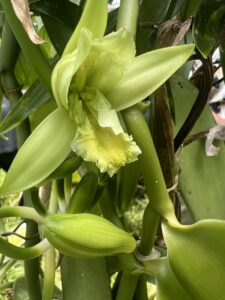 collectors. This privileged class discovered that places like Indonesia and Madagascar had ideal climates for growing the prized fruit.
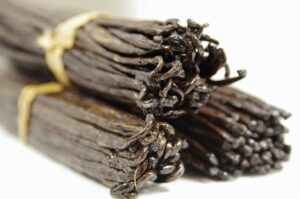 There is a wildness to a vanilla farm with the vines intertwining that can seem chaotic to those unfamiliar with the plant. The beans are picked while still green once they have reached their desired length. After being picked, the beans need to be boiled and then cured in the sun. It’s a lengthy process that’s quite labor intensive. “There’s an amazing journey that a single bean takes to become a bottle of extract. It’s very expensive in terms of effort and resources,” reflects Sara.
Previously a publicist, Sara noted the power of the vanilla orchid’s story. “Vanilla allows us to talk about pollinators, climate change and also workers rights. There’s also a story about how pure vanilla extract totally transforms a dish. It’s the real impact of quality ingredients.”
Transparency Matters
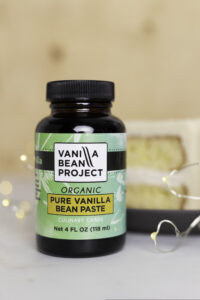 Madagascar, frequently associated with premium vanilla, is one of the poorest countries in the world. The relatively high price point of vanilla bean pods, extract and paste doesn’t trickle down to the farmers. A large network of middle people along with internal corruption complicate vanilla’s supply lines. Sara and Andy saw an opportunity to do better by the vanilla bean growers and by the planet. “Our Vanilla Bean Project is a way for us to do good in the world,” says Sara. “We
  try to do that in all the ways that we can, even when those ways are hard. Maybe especially when they’re hard.”
Having their vanilla organic or regenerative organic certified (ROC) brings transparency to the vanilla market in terms of soil health, worker fairness and animal welfare. They can ensure that their vanilla farmers receive a fair price for their crop and that the orchids are being grown following sustainable practices.
Sara finds that consumers are becoming better informed on the origins of coffee and chocolate. They’ve heard more about the growers’ challenges, the need for Fair Trade, the impact of climate change and that it’s a bean that has to be grown somewhere, much warmer than Minnesota, and then processed to become a consumable product. “I work from whatever people are familiar with; that’s my starting point,” Sara expresses. “From there we can connect the story of vanilla to our greater humanity.”
Wind in their Sails
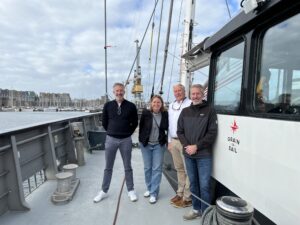 Sustainable growing practices don’t mitigate the deep cost to transport the vanilla from its origin to Minnesota bakers. That’s where the sailboat comes in. “I think that we can use what we’re doing with vanilla as an example for positive change,” shares Sara. “Shipping by commercial sail cargo allows us to have vanilla beans without the environmental impact of the typical transportation carbon load. Using the wind is something that we used to do to move products around the world. It’s so inspiring to be a part of this positive movement.”
“It’s just been such an adventure,” reflects Sara on building their business together with Andy. “Instead of working for someone else’s business, we decided to invest in ourselves and see what happens. The coolest part has been figuring it out. We had to learn how you start a vanilla extract company. We have created something out of nothing. That’s kind of cool.” Sara also shared how it’s still exciting to see their vanilla on a grocery store shelf or even named in a cookbook like Samin Nosrat’s Good Things as a preferred ingredient.
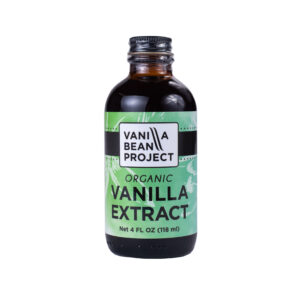
Cold extraction of the vanilla itself makes their extract and paste more flavorful for cooking and baking. Given that vanilla is a regular ingredient in weekend pancakes, family birthday cakes and creamy frosting, that extra flavor plays a key role in family traditions and taste memories. Sara uses their vanilla extract frequently in banana bread or carrot cake. She recommends the paste for carrot cake’s cream cheese frosting. “I love using the paste in frosting to get the specks,” smiles Sara. 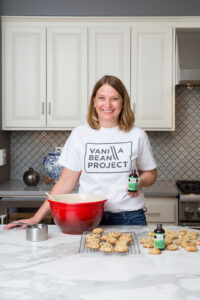
Ready to taste the difference?
Twin Cities locals will find Vanilla Bean Project vanilla within a number of delightful treats at St Paul’s Cafe Latte or at coffee shops including Roots Roasting and Backstory. Pumphouse Creamery uses it in the base of their vanilla ice cream.
Order directly at the vanillabeanproject.com. Follow the Vanilla Bean Project on Facebook and Instagram. The Vanilla Bean Project was a featured presenter at the November 2025 Taste Makers “Holiday Edition” class at the MN Landscape Arboretum. Their vanilla extract and vanilla bean paste are a part of the “Shop Minnesota” gift guide by Meet the Minnesota Makers.
Visit meettheminnesotamakers.com or follow @meettheminnesotamakers on Facebook and Instagram to discover the farmers and innovators working to strengthen Minnesota’s local food networks. Meet the Minnesota Makers is a news site that connects you to the local food, farms, artists and artisans that make Minnesota thrive.
.