Most popular
 September, 11


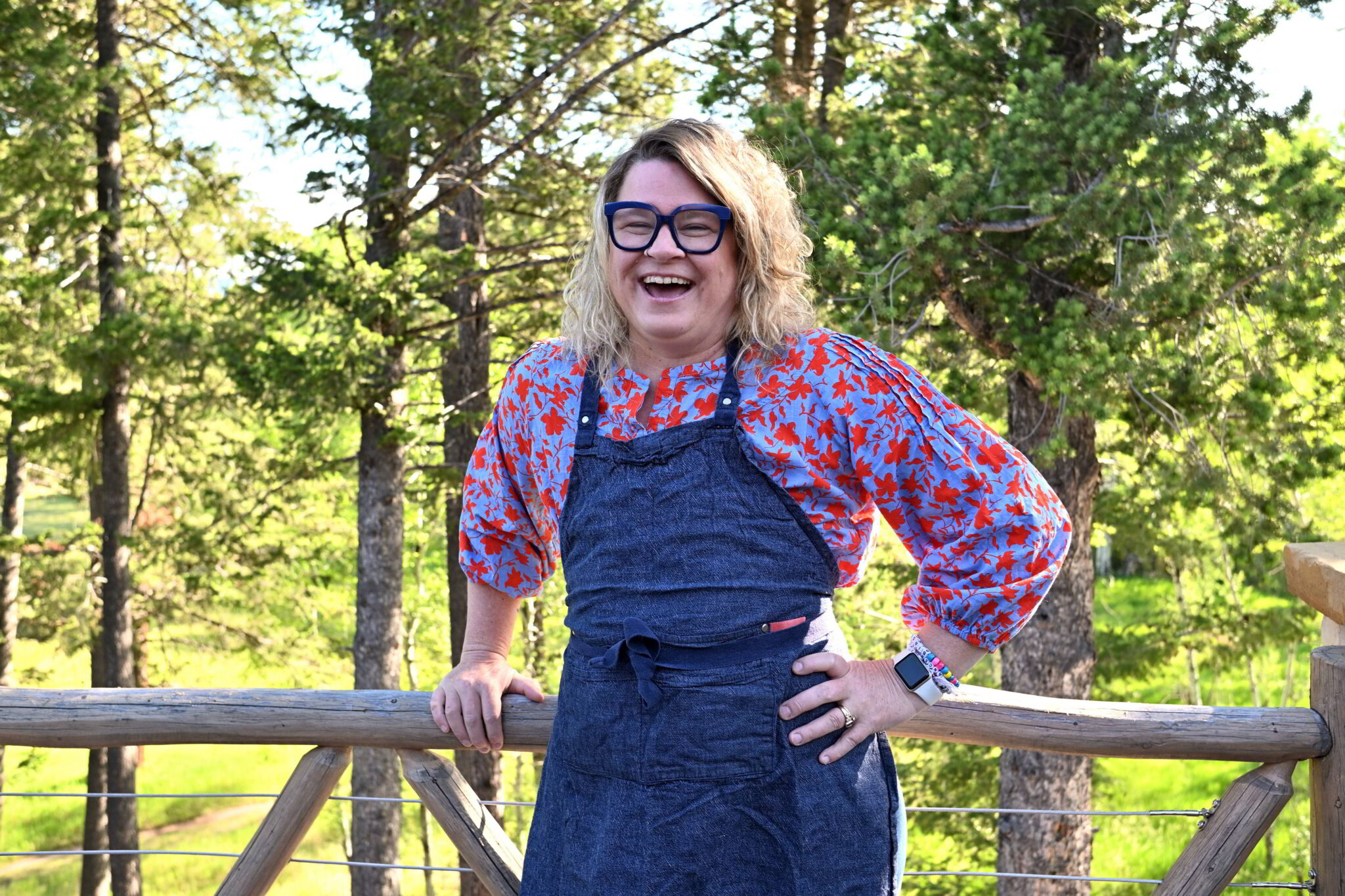

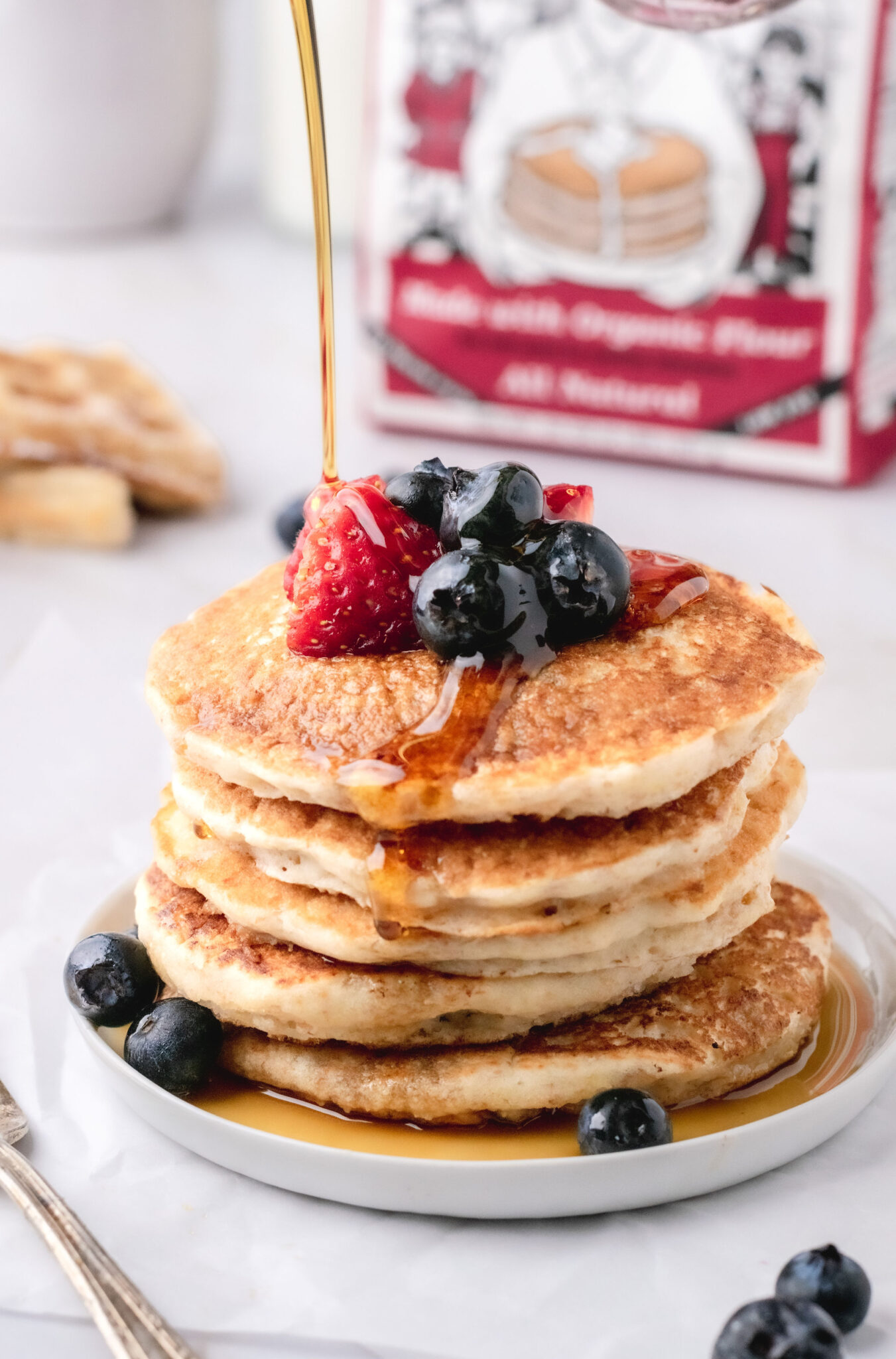
Simple, Clean, and Local: Sturdiwheat Mixes Keep it Simple
That’s how Red Wing’s Sturdiwheat sources the ingredients for their beloved pancake, bread, and dessert mixes. It’s what they’ve done for more than 80 years. Today Sturdiwheat is family-owned and operated by mother-daughter team Suzanne and Missi Blue. Pioneers of the Perennial Percent label, Sturdiwheat looks to improve soil and water quality with each mix they sell.
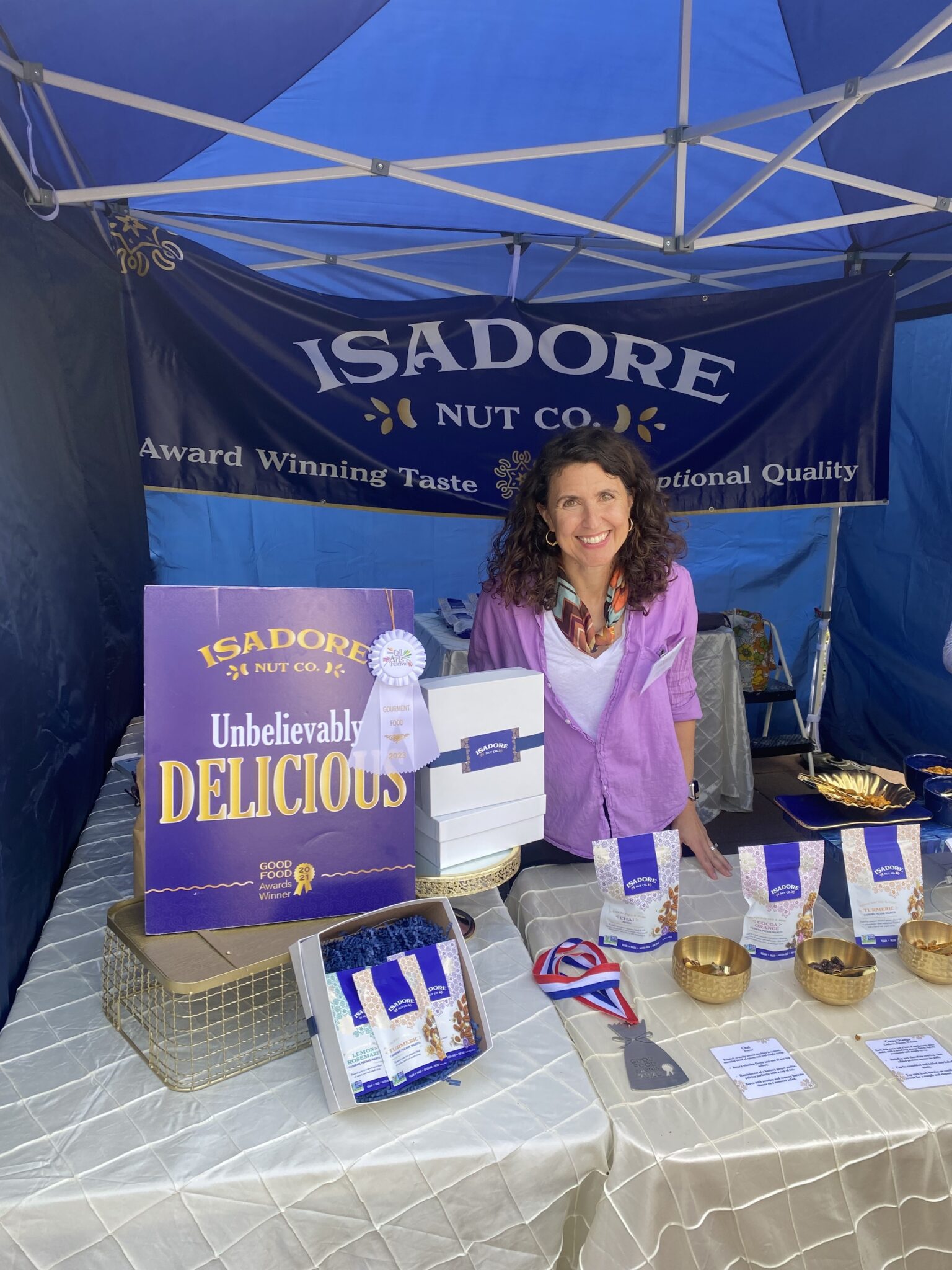
Snacking with a Purpose: Isadore Nut Company’s Path to Sustainability
Isadore Nut Co is named after Tasya’s grandfather, who was an early advocate for organic foods all the way back in the 1950s and believed that “food is medicine.” Tasya has remained loyal to her grandfather’s wisdom, ensuring that all of Isadore Nut Co's snack mixes are vegan, gluten-free and sourced sustainably.
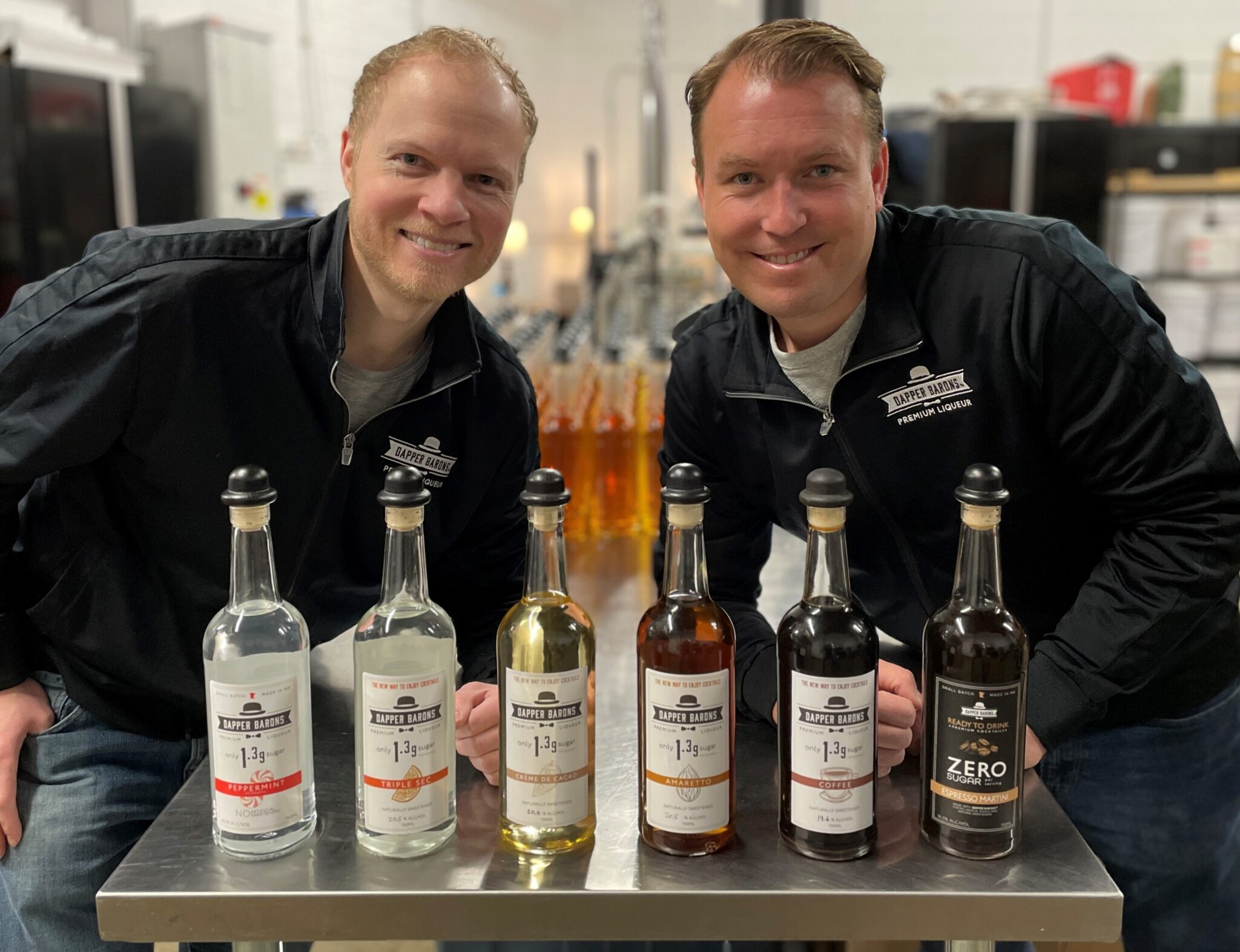
Recrafting Premium Cocktails: Dapper Barons Develops Local Low Carb Liqueurs
Have you heard the one about two Michiganders who move to Minnesota, embrace low sugar diets, and found a premium liqueur company in the midst of a pandemic? Read on to meet Ryan Boudreau of Edina and Jeff Roslund of Eagan, the founders of Eagan-based Dapper Barons—Low Sugar Premium Liqueurs.
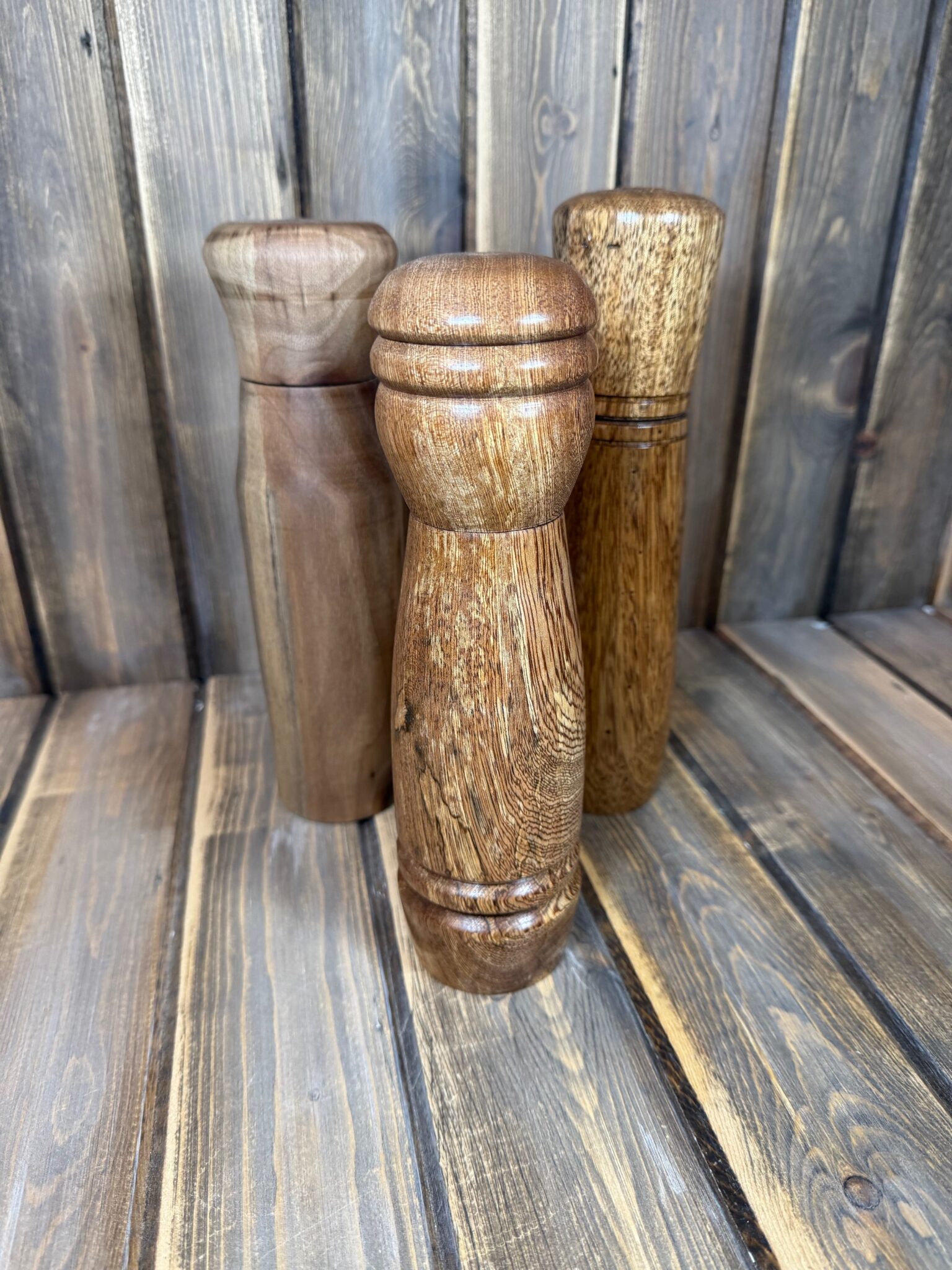
Reclaimed North: New Life for Old Wood
For Melissa Daul of Minneapolis, the discard pile receives new life through her wood working business Reclaimed North. Melissa started turning wood in 2018. Her first teacher was her father, a fantastic wood worker.
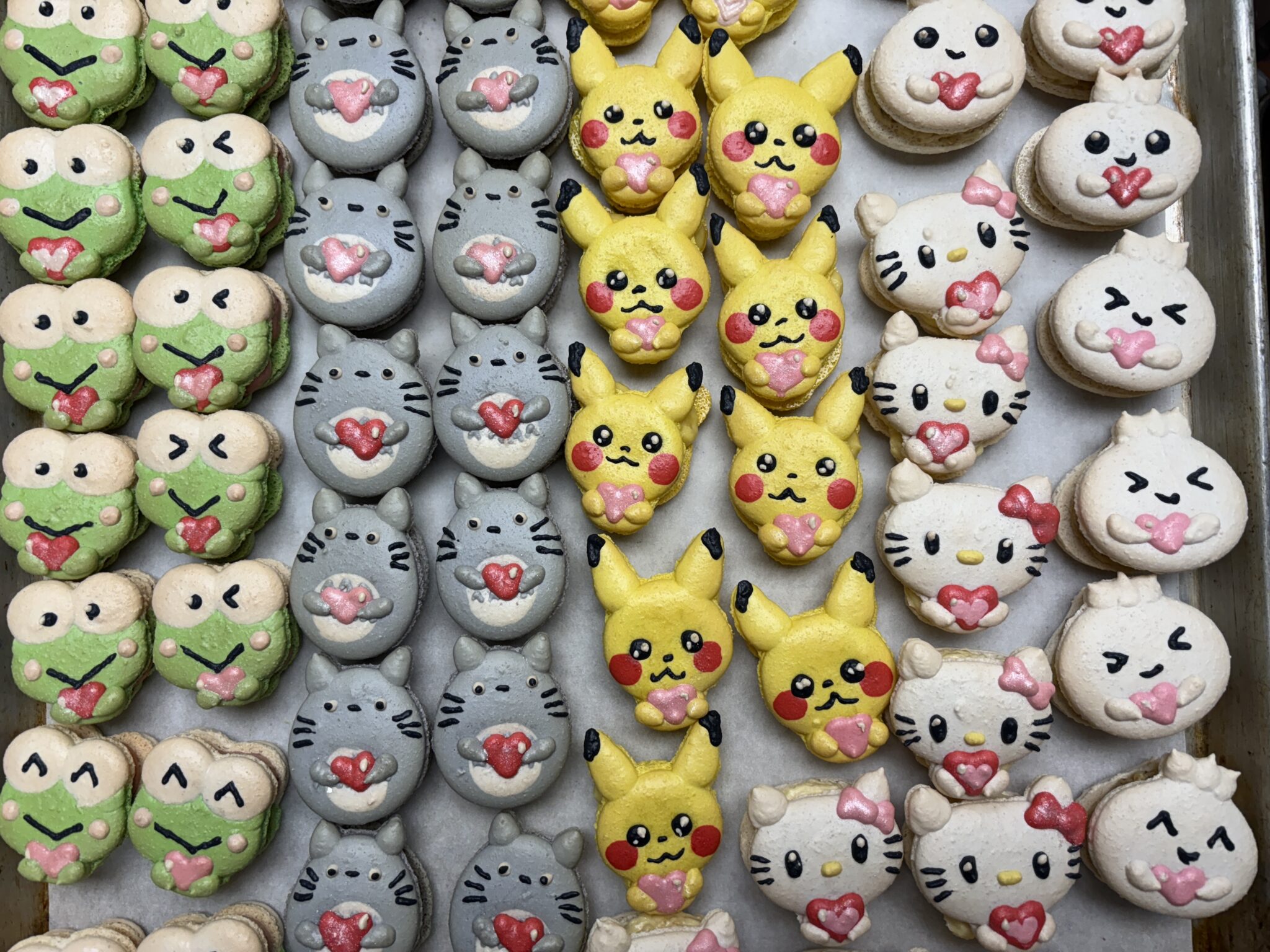
A Hustle of Love: X2 Pastries Bakes Their Favorites for You
St. Paul's X2 Pastries is a “hustle of love” according to Xiong Xiong. “We get to bake for ourselves, the products we think are the most delicious and delightful, and we then share it with all of you.”
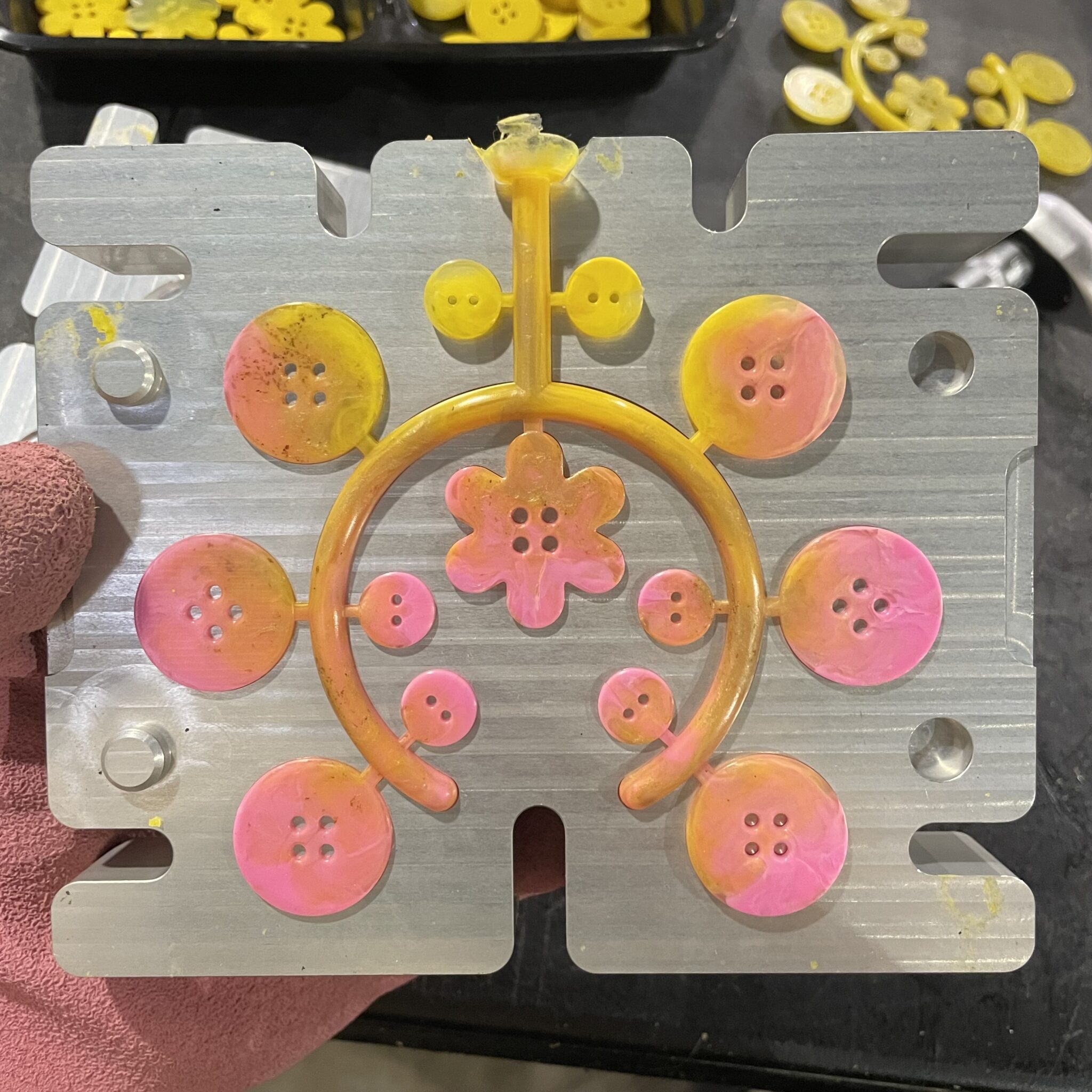
Plastic Potential: Emma Crutcher’s Cool Trash Workshop
For Emma Crutcher of Cool Trash in South Minneapolis other people’s trash is literally her treasure. Emma discovered the Precious Plastic project, which was founded in 2013. This project hosts a suite of open source plans to build machines to recycle plastic on a small scale. “This movement challenges us to think about plastic as a valuable resource for building and creating,” explained Emma.